Sun Spots &
Age Spots
UV-induced hyperpigmentation, solar lentigines, post-inflammatory marks, and uneven skin tone can make skin look years older than it is. With the right light-based and resurfacing treatments, a clearer, more luminous complexion is achievable.

What Causes Skin Pigmentation
Hyperpigmentation happens when pigment cells overproduce melanin after UV damage, inflammation, or hormonal changes — leaving darker patches on the face, chest, and hands. It's harmless but ages the complexion, and rarely clears with over-the-counter products. Medical-grade treatments target it at its source in the dermis for lasting results.
Solar Lentigines
Flat brown "sun spots" or "liver spots" from cumulative UV exposure — more pronounced with age.
Post-Inflammatory Hyperpigmentation
Dark marks left after acne, rashes, or procedures. Common in medium-to-dark skin; responds well to combined treatment.
Vascular Pigmentation & Redness
Diffuse redness and broken capillaries. IPL clears both pigment and vascular concerns in one treatment.
IPL Photofacial
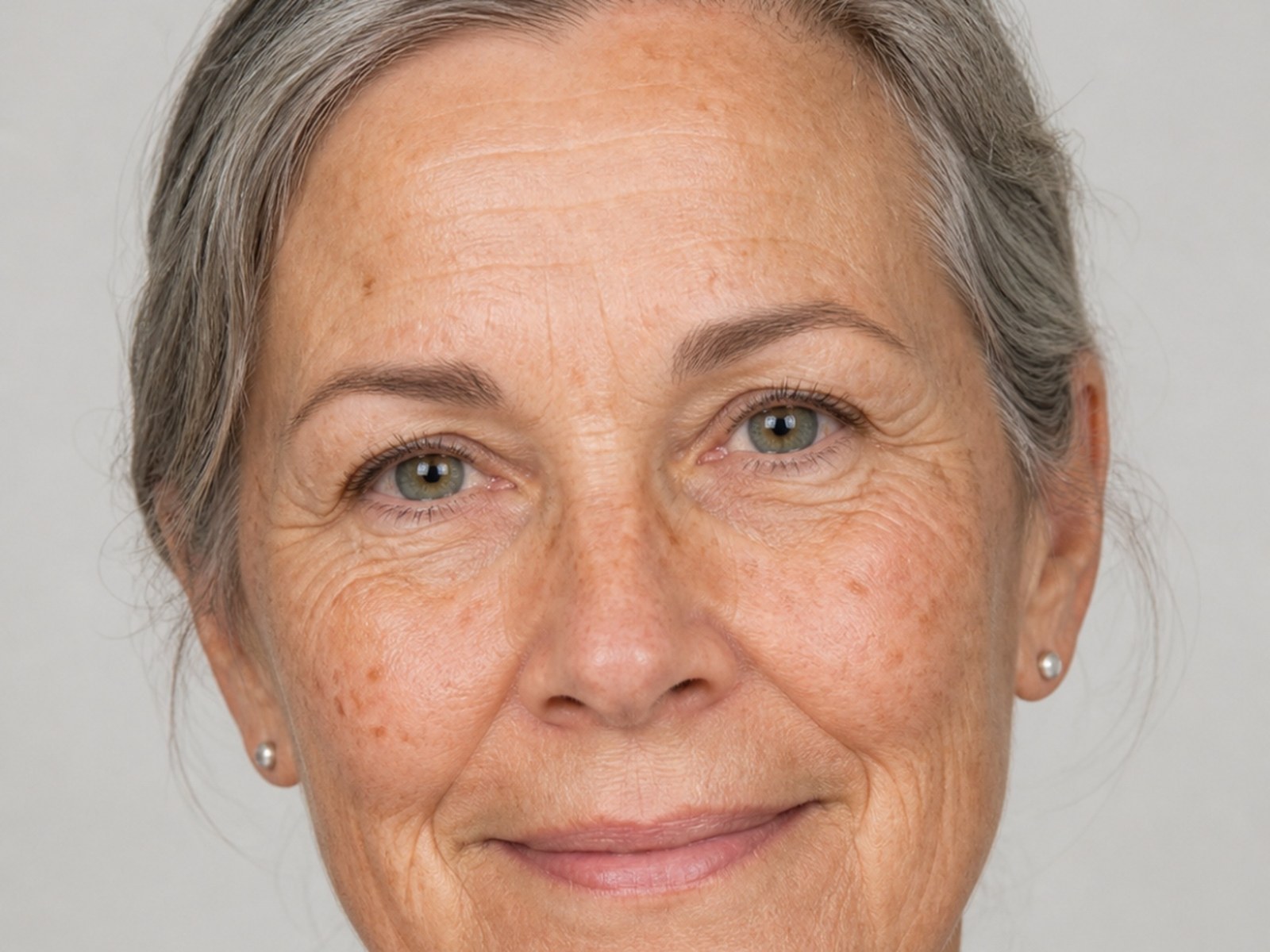
Intense Pulsed Light (IPL) photofacial is the gold-standard treatment for sun spots and vascular irregularities. Pulses of broad-spectrum light are absorbed selectively by melanin and hemoglobin, shattering pigment clusters and causing them to flake off naturally within 7–10 days — revealing dramatically clearer skin underneath.
- Solar lentigines & sun spots — targeted, dramatic clearance
- Redness and vascular lesions — rosacea, diffuse redness treated simultaneously
- Minimal downtime — spots darken before flaking off; 1–2 weeks for full results
- 3–5 sessions recommended for optimal clearance and prevention
Chemical Peels
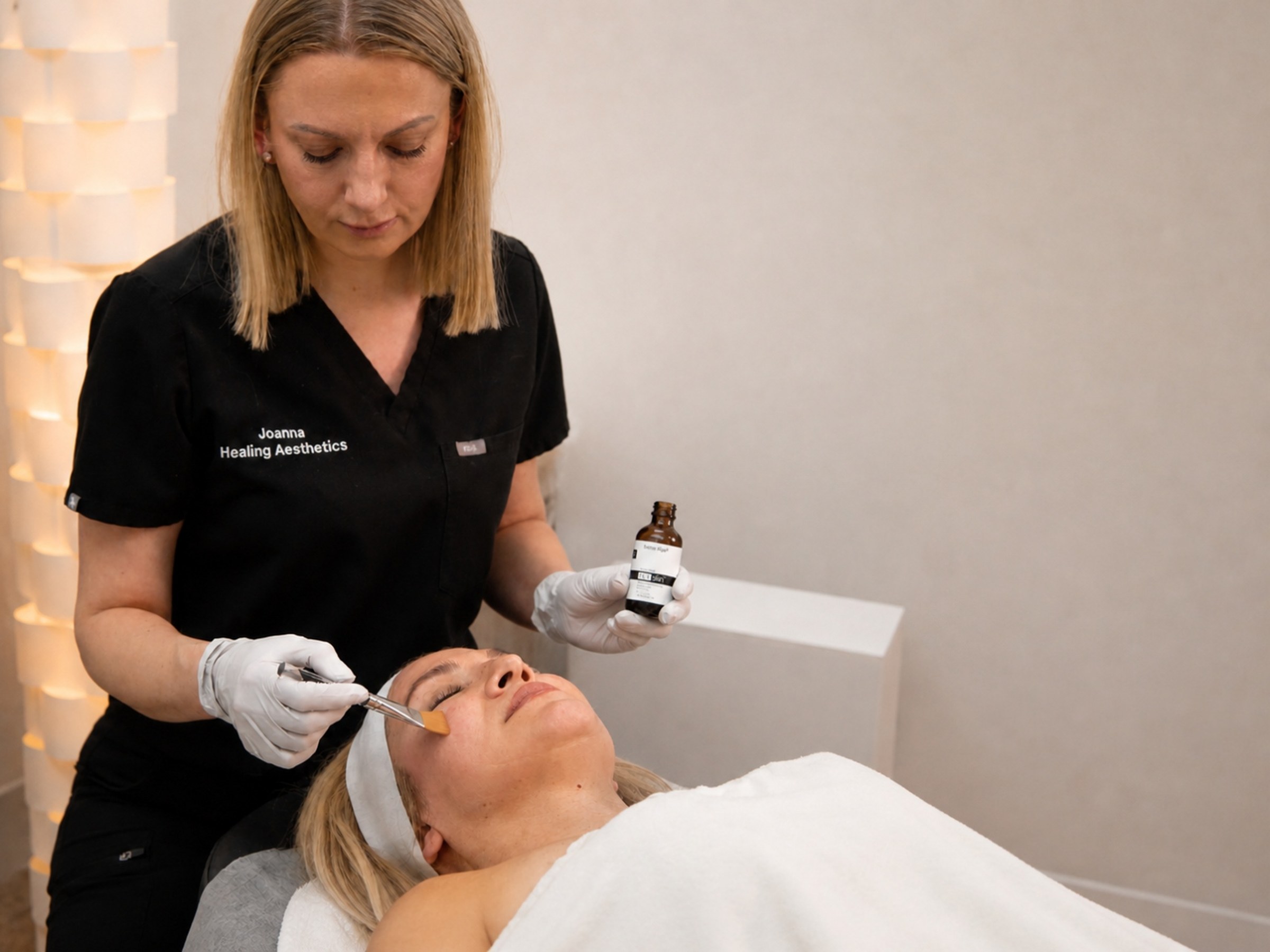
Medical-grade chemical peels use alpha and beta hydroxy acids to accelerate cell turnover, breaking up pigmented cells on the surface and in the upper dermis. Peels formulated with kojic acid, azelaic acid, and vitamin C specifically target melanin production — making them especially effective for PIH and stubborn surface pigmentation when combined with IPL.
- Accelerates pigment clearance — works synergistically with IPL
- Brightening formulas — target tyrosinase (melanin production enzyme)
- Suitable for PIH in all skin tones with appropriate selection
- Series of 3–6 peels produces cumulative brightening
Sylfirm X RF
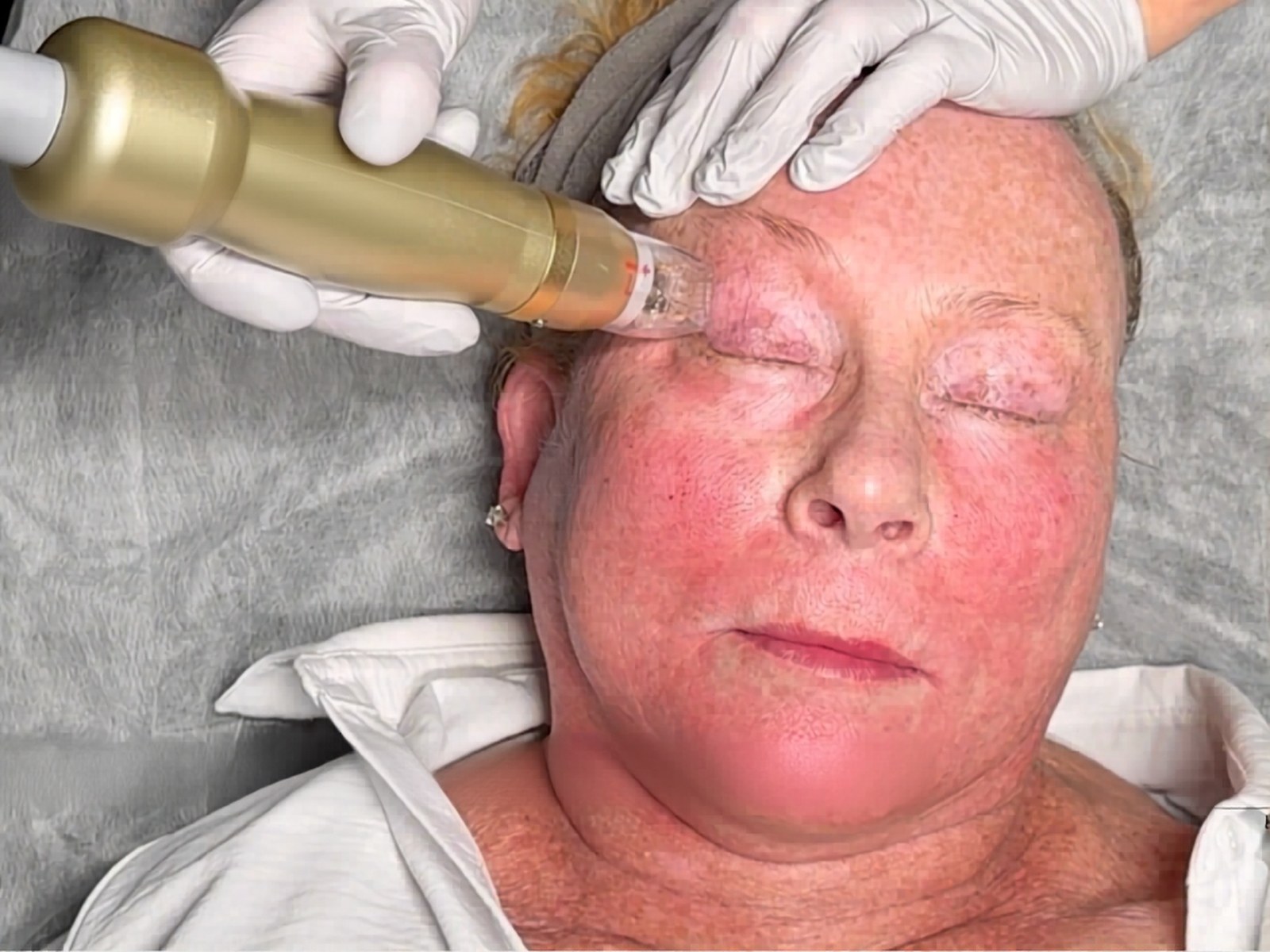
Sylfirm X uses dual-mode radiofrequency to target the abnormal blood vessels that feed pigmentation — rather than the pigment itself — addressing the root cause of vascular-driven discoloration. It is uniquely safe for darker skin tones where traditional IPL carries risk of post-treatment hyperpigmentation, making it the preferred option for Fitzpatrick IV–VI.
- PIH in darker skin tones — safe for Fitzpatrick IV–VI without hyperpigmentation risk
- Vascular lesions — targets feeder vessels driving pigmentation
- Skin tightening bonus — collagen stimulation improves overall texture simultaneously
- 3–4 sessions spaced 4 weeks apart for cumulative clearing
Medical-Grade Skincare
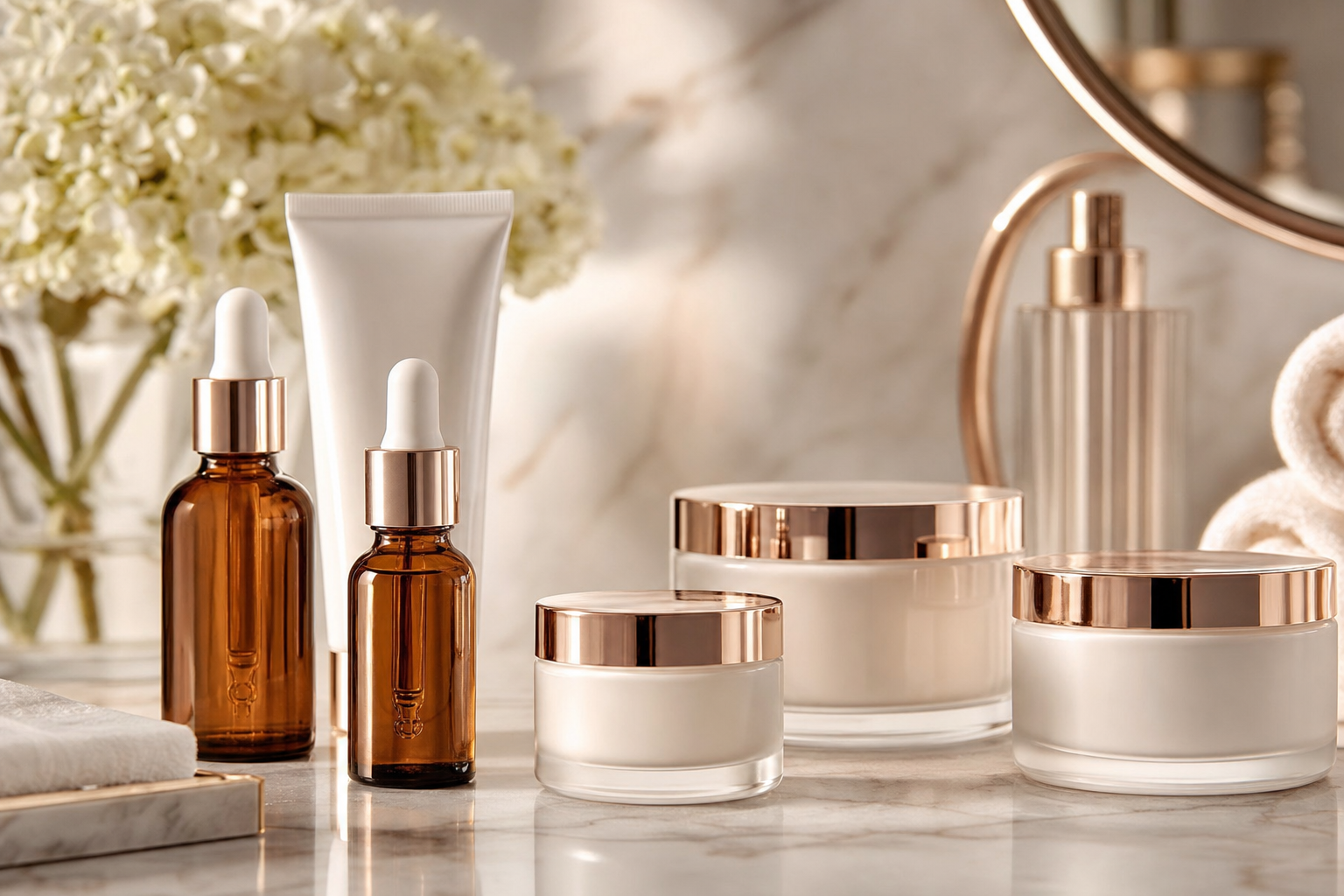
In-office treatments remove existing pigmentation, but a physician-directed home skincare regimen prevents new spots from forming and maintains your results long-term. Our skincare team creates customized protocols combining prescription-grade retinoids, vitamin C, niacinamide, and broad-spectrum SPF — the foundation of any successful pigmentation management plan.
- Retinoids — accelerate cell turnover and suppress melanin transfer
- Vitamin C & niacinamide — antioxidant brightening with barrier support
- SPF 50+ — non-negotiable for preventing re-pigmentation after treatment
- Personalized protocol — formulated to your skin type, tone, and treatment history
Why Healing Aesthetics for Pigmentation
Hundreds of IPL Treatments
Hundreds of photofacials performed.
Physician-Led Diagnosis
We diagnose your pattern first.
Safe for All Skin Tones
Matched to your Fitzpatrick type.
Long-Term Results
Treatment plus skincare that lasts.
What You Can Expect
- Significantly clearer, more even skin tone after a series of treatments
- Sun spots visibly faded or eliminated — solar lentigines respond dramatically to IPL
- Reduced redness and rosacea — IPL addresses both pigment and vascular concerns
- Safe for darker skin tones — Sylfirm X delivers results for Fitzpatrick IV–VI without IPL's pigmentation risk
- Improved skin texture — resurfacing treatments smooth the overall complexion
- Younger-looking skin — even tone is one of the most powerful indicators of youth
- Prevention of new spots — medical-grade SPF and retinoids protect results
- Confidence in bare skin — patients consistently report needing less makeup
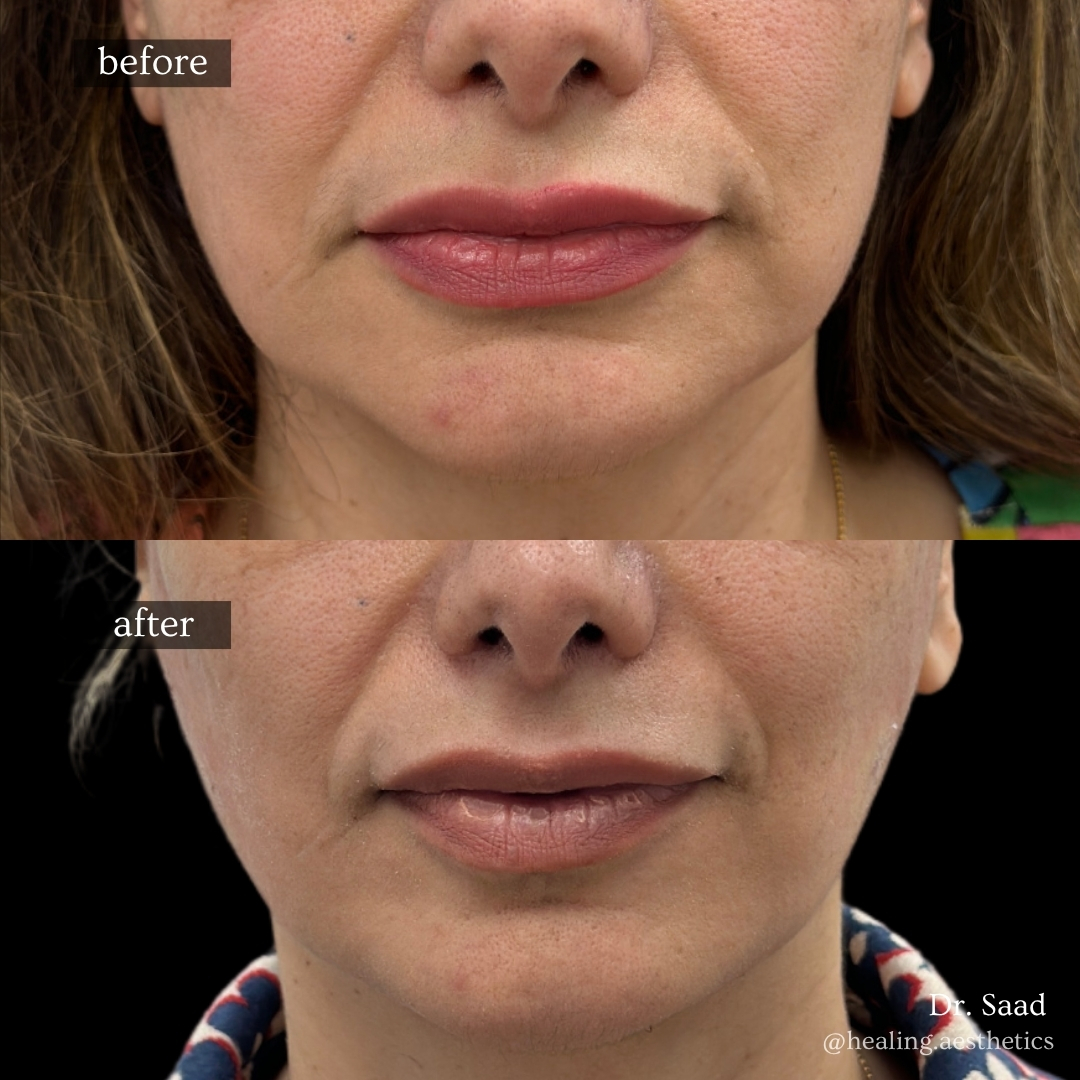
Before & After
IPL and skin resurfacing results from actual patients treated at Healing Aesthetics. Individual outcomes vary based on pigmentation type, skin tone, sun exposure, and number of treatments completed.
What Our Patients Say
"Have gotten 3 IPL treatments from Joanna and a round of Botox and am loving my results so far."
Frequently Asked Questions
-
Most patients see dramatic improvement after 1–2 IPL sessions, with optimal results achieved after 3–5 sessions spaced 3–4 weeks apart. The number depends on the density of spots, skin tone, and years of sun exposure. Lighter, more superficial spots often clear after a single session; deeper or more widespread pigmentation benefits from a full series.
-
Yes — this is a normal and expected part of the process. After IPL, targeted brown spots will initially appear darker ("coffee grounds" effect) as the melanin rises to the surface. Over the following 7–10 days, these darkened areas flake off naturally, revealing clearer skin beneath. Do not pick or exfoliate these areas — let the natural shedding process occur on its own.
-
IPL is not the right choice for every skin tone — in Fitzpatrick IV–VI skin, heat-based light treatments can stimulate melanocytes and worsen pigmentation. For darker skin tones, we use Sylfirm X RF microneedling instead, which targets pigmentation at the vascular level without the risk of post-treatment hyperpigmentation. Your consultation always starts with a skin-type assessment so we recommend the right modality from day one.
-
Treated spots are cleared permanently — IPL destroys the melanin clusters responsible for those specific spots. However, continued UV exposure without proper sun protection will create new spots over time. Consistent use of SPF 50+ daily and annual maintenance IPL sessions are the keys to keeping your results long-term. We also recommend our medical-grade skincare protocol to suppress melanin production between treatments.
-
IPL requires minimal social downtime — most patients return to normal activities immediately. The treated spots darken for 7–10 days before flaking off. Some redness or mild swelling on the day of treatment is normal and resolves within hours. You should avoid direct sun exposure and use SPF 50+ rigorously for at least 2 weeks post-treatment.
Reclaim Your Clear, Even Complexion
Schedule a consultation with our team and receive a personalized pigmentation treatment plan — matched to your skin type, pigmentation pattern, and lifestyle.