Acne &
Acne Scars
Acne affects more than your skin — it affects your confidence. Whether you're dealing with active breakouts, post-inflammatory marks, or deep textural scarring, effective physician-led treatments can restore smooth, clear skin.

Why Acne Scars Persist
Acne's aftermath often outlasts the breakouts. When inflamed pores damage the dermis, skin heals with too little collagen (depressed scars) or too much (raised scars). Because the right treatment depends on your acne and scar type, every patient starts with a physician-led skin consultation.
Active Acne
Pustules, nodules, and cysts form when excess sebum, dead skin, and bacteria block follicles — driven by hormones, stress, and diet.
Post-Inflammatory Marks
Flat pink, red, or brown marks left after a blemish heals. Not true scars, but they can linger for months untreated.
Atrophic Scars
Ice pick, boxcar, and rolling scars — pitted texture from collagen loss during healing, requiring deeper treatment.
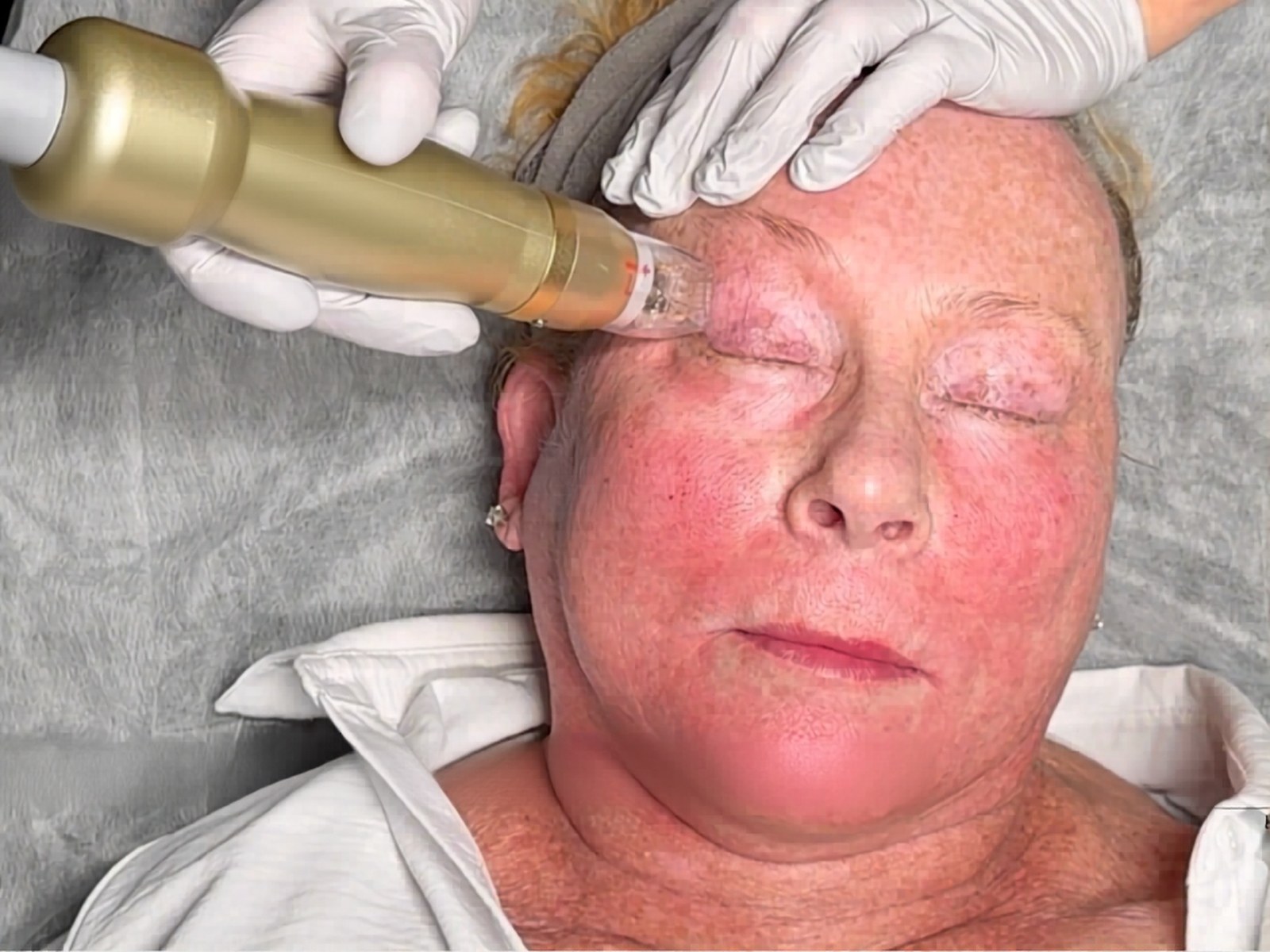
Microneedling RF / Sylfirm X
Sylfirm X delivers radiofrequency energy through ultra-fine needles directly into the dermis, triggering collagen remodeling exactly where scars live. Its dual-mode technology — pulsed and continuous RF — targets abnormal vessels and damaged tissue while sparing the surface, making it exceptionally safe for all skin tones.
- Atrophic scars — ice pick, boxcar, and rolling scars visibly improved
- Active acne — reduces sebaceous activity and pore size
- PIH & redness — targets abnormal vessels and pigment simultaneously
- Safe for all skin types including Fitzpatrick IV–VI
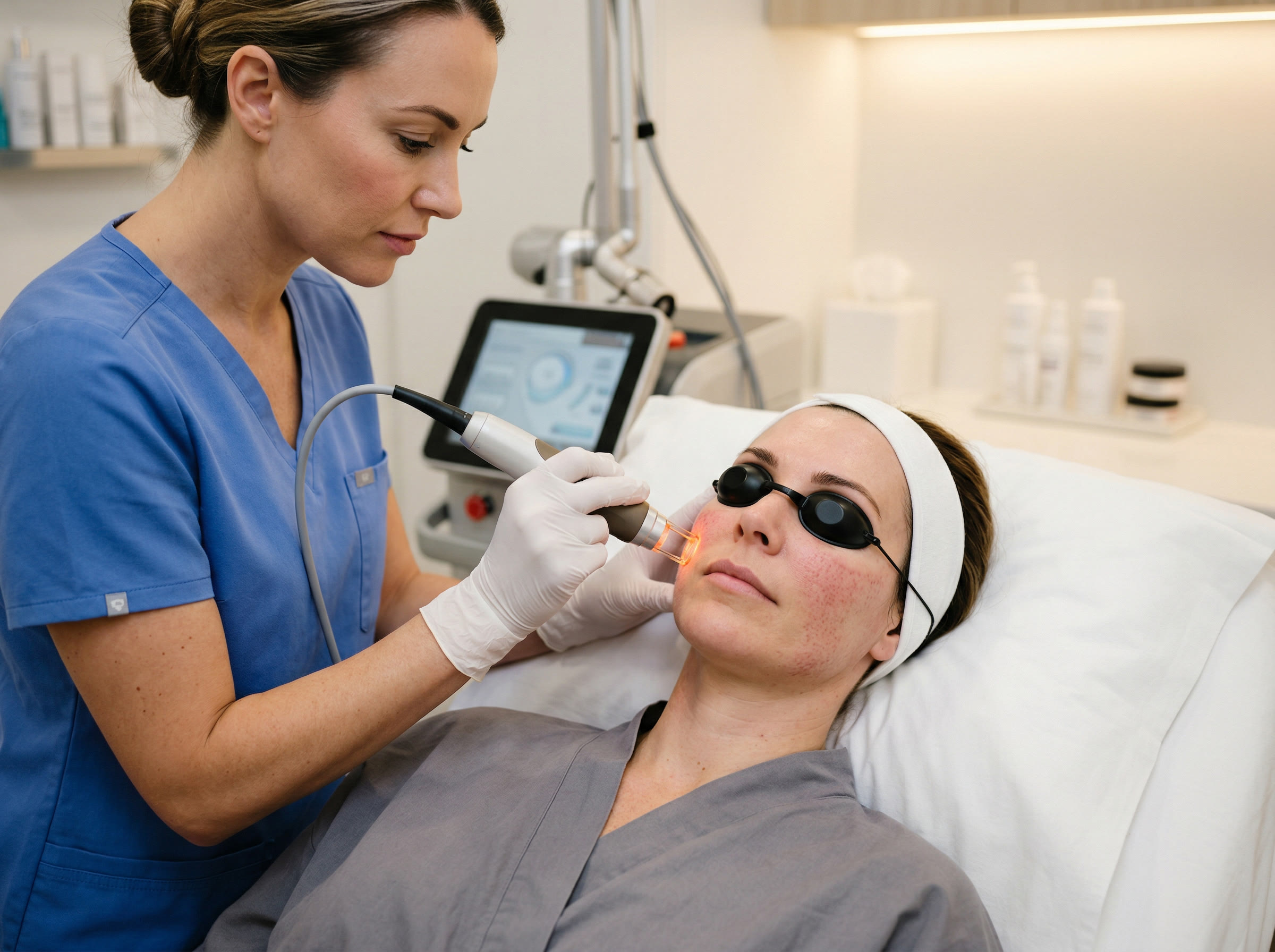
Fractional Laser
Fractional laser creates thousands of microscopic treatment columns in the skin, inducing deep wound-healing that replaces scarred tissue with fresh collagen. The surrounding untreated skin accelerates recovery and amplifies results — making this one of the most effective treatments for moderate-to-severe acne scarring.
- Significant scar reduction in as few as 1–3 sessions
- Collagen induction continues for 3–6 months post-treatment
- Skin texture — pores, roughness, and overall tone dramatically improved
- Manageable downtime — 3–5 days social downtime
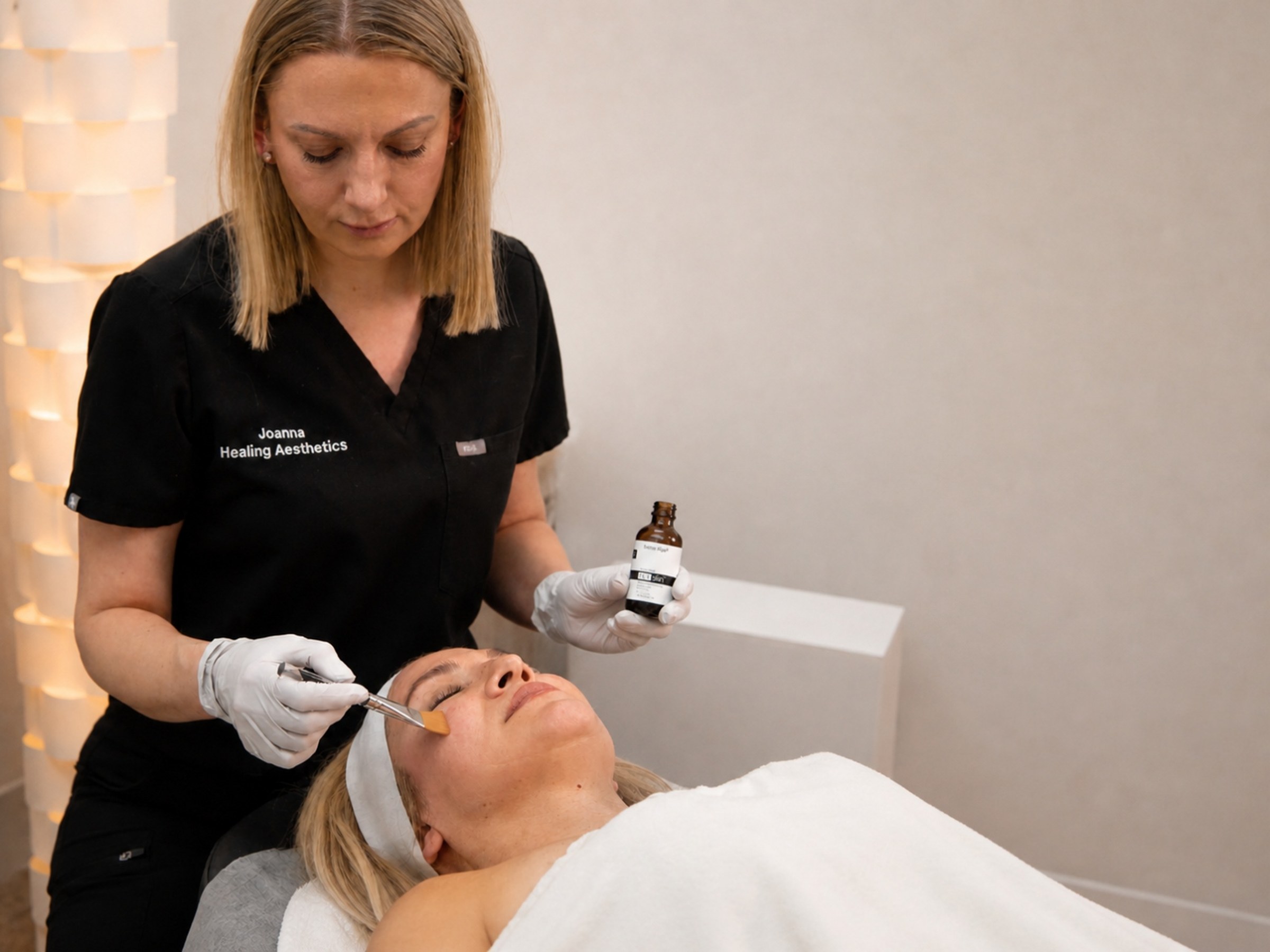
Chemical Peels
Medical-grade chemical peels exfoliate damaged surface layers to reveal smoother, more even skin beneath. Formulations such as salicylic acid target active acne and pore congestion, while TCA and Jessner's peels address hyperpigmentation and mild textural scarring. A series of peels significantly accelerates the clearance of PIH marks.
- Active acne — reduces bacteria and unclogs pores
- Post-inflammatory marks — accelerates fading of discoloration
- Texture — exfoliates dead cells and smooths uneven surface
- No downtime options available — suitable for busy schedules
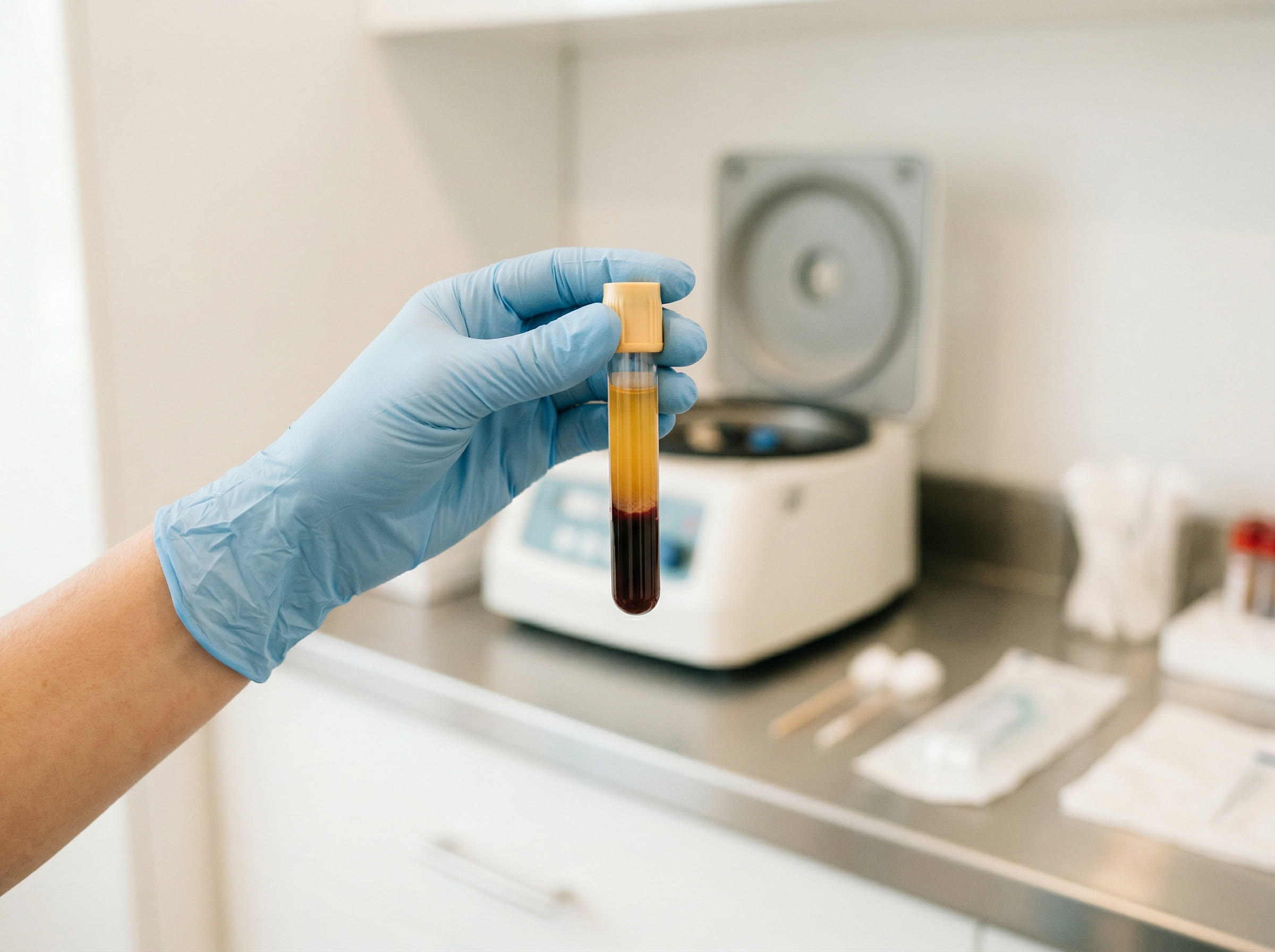
PRF / PRF
Platelet-Rich Fibrin (PRF) and Platelet-Rich Fibrin (PRF) harness your body's own growth factors to accelerate tissue repair and collagen synthesis. When applied with microneedling or injected directly into scars, these concentrated biologics dramatically enhance the healing response — producing results that are completely natural because they come from you.
- Enhances microneedling — supercharges collagen induction when combined
- Reduces scar depth — growth factors rebuild damaged dermal matrix
- Improves skin quality — tone, luminosity, and hydration all benefit
- 100% natural — no synthetic products; derived entirely from your own blood
Why Healing Aesthetics for Acne & Scars
Physician-Led Diagnosis
Every consultation begins with a physician-led assessment of your skin type, scar morphology, and active acne — so the treatment plan we build is mapped to your skin, not a generic protocol.
Advanced Technology
From the Sylfirm X — the world's only FDA-cleared dual-mode RF device — to medical-grade fractional laser, we use the most effective technology available for scar revision.
Inclusive Expertise
Many scar treatments carry risk for darker skin tones. Our team has deep expertise in treating Fitzpatrick IV–VI with Sylfirm X and carefully selected protocols that deliver results safely.
Combination Protocols
The best scar outcomes come from combining modalities — laser with PRF, microneedling with exosomes. We design sequential treatment plans that layer therapies for compounding improvement.
What You Can Expect
- Visibly smoother texture — depressed scars fill in and surface irregularities resolve
- Reduced pore size — sebaceous gland activity and pore visibility decrease
- Fewer active breakouts — treatments targeting sebum production and bacteria
- Faded dark marks — PIH and post-acne discoloration clears significantly faster
- Natural-looking outcome — no overcorrection; skin looks healthy and radiant, not "treated"
- Even skin tone — hyperpigmentation and redness significantly reduced
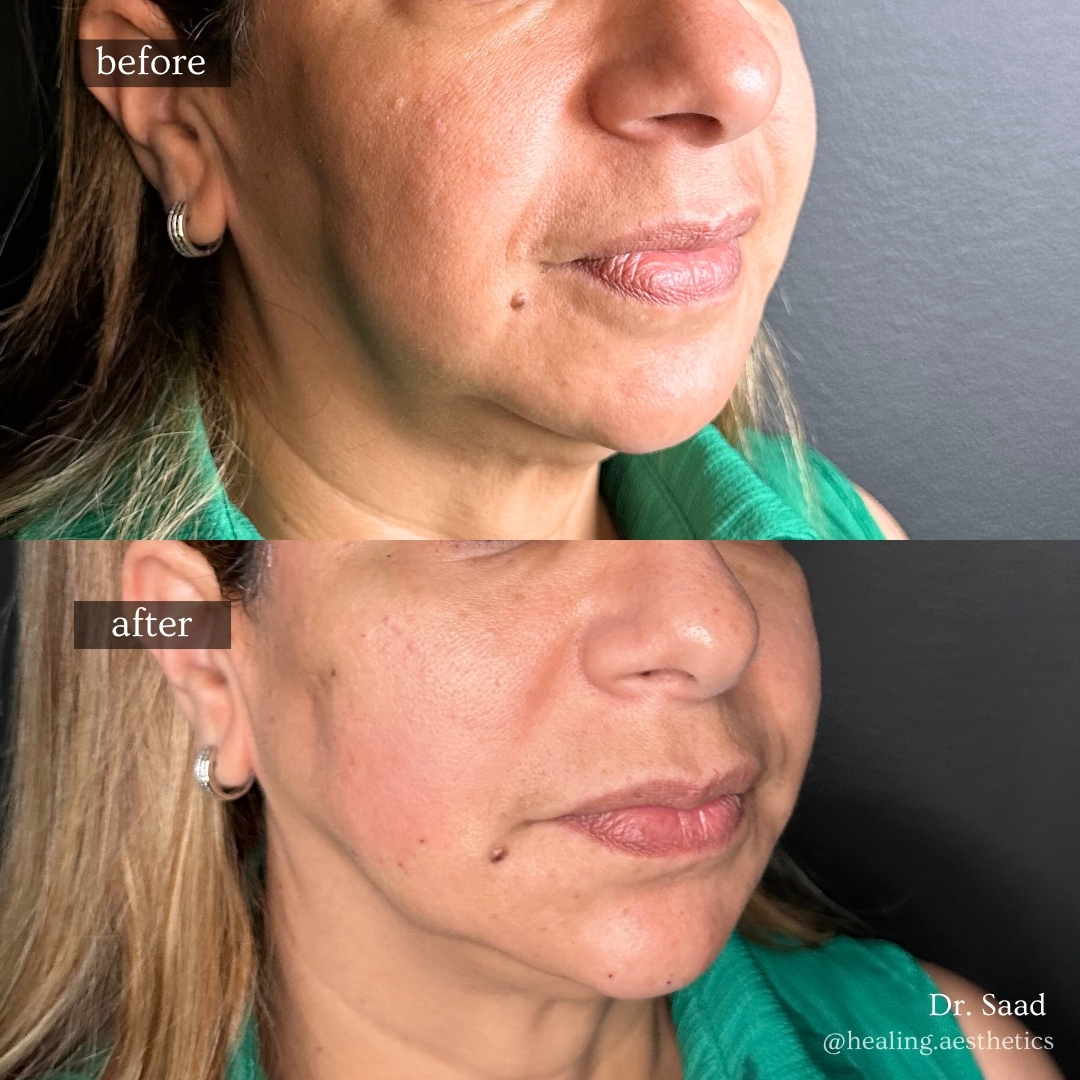
Before & After
Actual results from patients treated at Healing Aesthetics. Individual outcomes vary based on scar type, skin tone, and treatment protocol. Most patients see progressive improvement over a series of 2–4 sessions.
What Our Patients Say
"I loved the skinpen microneedling — I saw pretty good results after one treatment. It's great for acne scars!"
Frequently Asked Questions
-
Most patients see noticeable improvement after the first treatment, with progressive results developing over 2–4 sessions spaced 4–6 weeks apart. The full benefit of collagen remodeling continues for 3–6 months after your last session. Deeper atrophic scars typically respond best to a combination of fractional laser and microneedling RF over multiple visits.
-
Very shallow post-inflammatory marks (flat discoloration) often resolve completely with treatment. Deeper atrophic (depressed) scars — ice pick, boxcar, and rolling — can be significantly improved — typically 50–80% — but complete elimination of all scarring is rare. The goal of treatment is natural-looking, dramatic improvement that restores confidence and skin smoothness, not perfection under a microscope.
-
For mild active acne, we can often treat both simultaneously — many of our resurfacing treatments (Sylfirm X, chemical peels) address both active breakouts and existing scars. For moderate-to-severe inflammatory acne, Dr. Saad may recommend bringing the acne under control first with medical management (topicals, oral medications) before beginning laser or RF scar revision, to prevent new scars from forming during treatment.
-
Yes — the Sylfirm X is specifically FDA-cleared as safe for all skin types, including Fitzpatrick IV–VI. Unlike ablative lasers which carry hyperpigmentation risk in darker tones, Sylfirm X's radiofrequency energy works deeper in the dermis without targeting surface melanin. We tailor every protocol to your specific Fitzpatrick skin type, ensuring both safety and excellent results.
-
Downtime depends on the treatment selected. Sylfirm X microneedling RF typically involves 1–3 days of redness and mild swelling. Fractional laser requires 3–5 days of social downtime with peeling. Chemical peels range from no downtime (superficial) to 5–7 days (medium-depth). Dr. Saad will discuss your schedule and lifestyle when recommending a protocol, and can design treatment around your downtime tolerance.
Ready to Restore Your Skin?
Schedule a consultation with Dr. Saad and receive a personalized acne and scar treatment plan — tailored to your skin type, scar morphology, and lifestyle.