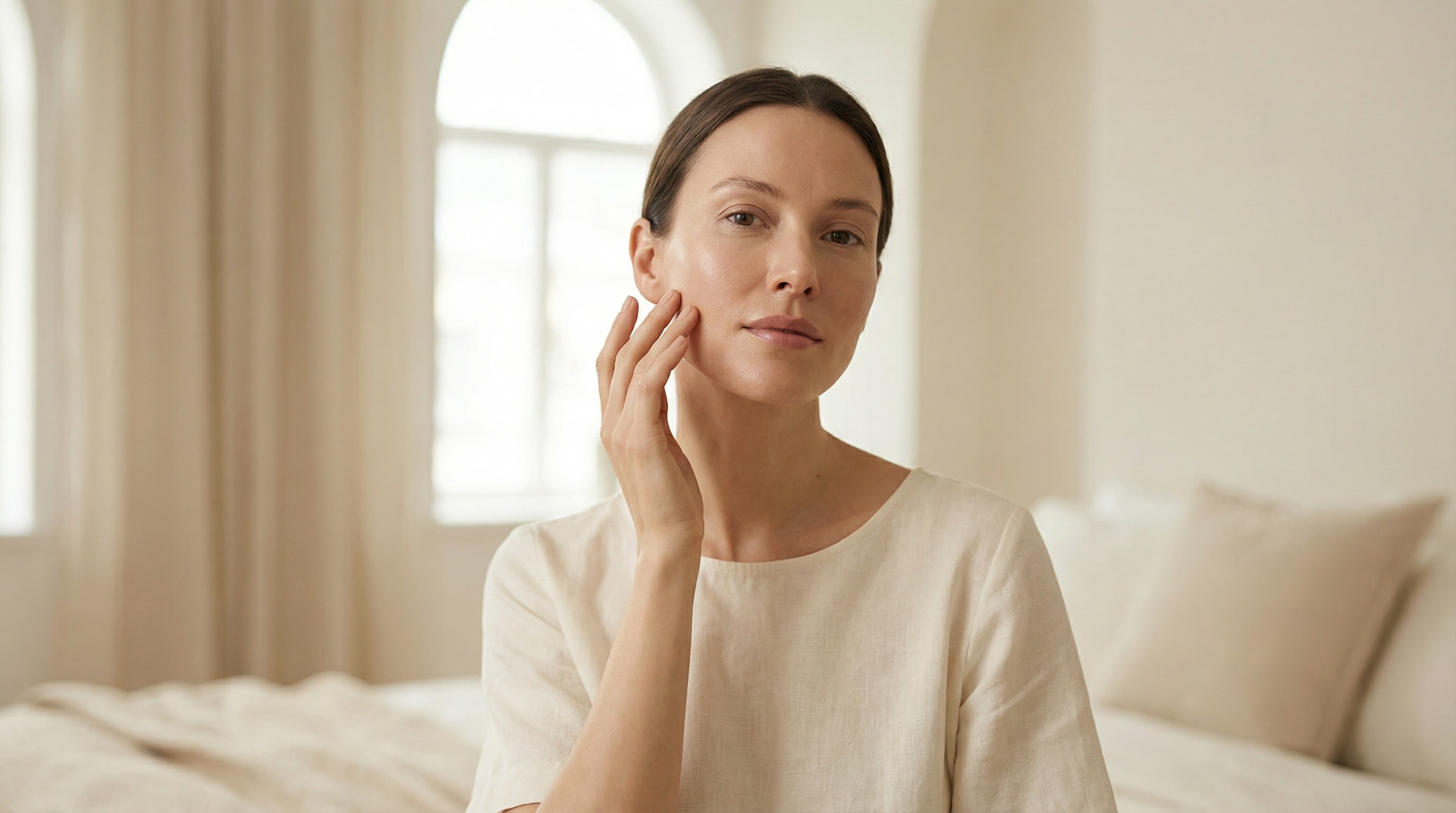
Scroll through social media and you'll see it everywhere: celebrities dissolving their fillers, influencers proudly declaring they're "filler-free," and a growing cultural backlash against the overfilled aesthetic that dominated the last decade. The "no fillers" movement is real — but the conversation around it is more nuanced than most headlines suggest.
The Backlash Against Overfilling
Let's be honest about what happened. The accessibility of dermal fillers exploded in the 2010s. Treatments that were once performed exclusively by experienced physicians became available at med spas, dental offices, and even pop-up clinics. The result was predictable: too much product, placed by too many undertrained hands, in patients who didn't need it. Overprojected lips, pillow face, and the dreaded "filler mustache" became the unfortunate calling cards of an industry that lost its way.
The backlash isn't against fillers themselves — it's against bad filler work. And that's a distinction worth understanding.
The Art of the Subtle Approach
At Healing Aesthetics, Dr. Saad has always practiced what the industry is now catching up to: restraint. His philosophy has never been about making someone look "done" — it's about restoring what time has taken and enhancing what nature gave you. The best compliment a patient can receive isn't "great fillers" — it's "you look amazing. Did you change your hair?"
Dr. Saad's Philosophy
"Aesthetics is not about transformation — it's about revelation. My role is to reveal what's already there, to restore what time has softened, and to enhance what nature designed. The moment a result looks 'done,' we've gone too far."
This approach requires three things that can't be rushed:
- Deep anatomical knowledge — understanding the facial fat compartments, how they deflate with age, and where strategic volume creates lift rather than puffiness
- Artistic restraint — knowing when to stop is more important than knowing where to inject. Dr. Saad often uses less product than patients expect, because a little in the right place does more than a lot in the wrong place
- A long-term plan — rather than trying to fix everything in one session, building results gradually over time ensures the face evolves naturally
The Shift Toward Biostimulators
One of the most exciting developments in modern aesthetics is the growing preference for biostimulatory treatments over traditional hyaluronic acid (HA) fillers. Products like Sculptra (poly-L-lactic acid) and Radiesse (calcium hydroxylapatite) don't just add volume — they stimulate your body to produce its own collagen.
The advantages are significant. Results develop gradually over weeks to months, so there's no sudden "I just got filled" look. The collagen your body builds is your own tissue, so it moves and feels completely natural. And because the structural improvement is deeper, the results can last two years or longer — far surpassing traditional fillers that may need touch-ups every six to twelve months.
When Fillers Are Still the Right Choice
It's important to note that traditional HA fillers still have an important role. For precise lip enhancement, tear trough correction, and certain fine-line treatments, hyaluronic acid remains the gold standard. The key is choosing the right product for the right indication — and that's where physician expertise matters most.
What This Means for You
If you've been hesitant about injectable treatments because you're worried about looking overdone, understand this: the outcome depends entirely on who is holding the syringe. A skilled physician-injector who practices conservative, anatomy-driven aesthetics will never give you "filler face." The no-fillers movement is actually pushing the industry in a direction that practices like Healing Aesthetics have always championed — natural, subtle, and individualized.
Whether you're considering your first injectable treatment or you're unhappy with previous work done elsewhere, a consultation with Dr. Saad begins with listening. Understanding your concerns, assessing your unique anatomy, and developing a plan that respects both your features and your preferences. Because the goal was never to look like someone else — it's to look like the best version of you.